Education — 2026
Watch Water Resistance Explained:
What the Ratings Really Mean
Water resistance ratings are one of the most misunderstood specifications in watchmaking. The numbers — 30m, 50m, 100m, 200m — are tested under static laboratory conditions that bear little resemblance to the dynamic pressures of everyday water contact. Here's what they actually mean for real-world use.
Why the Depth Numbers Are Misleading
Water resistance is tested by submerging the watch in static water at the stated depth — but in reality, most water exposure involves dynamic pressure: the impact of water hitting the watch face, the pressure created by moving your arm through water, or the sudden pressure change when diving into water. Dynamic pressure can be two to three times higher than static pressure at the same depth.
Additionally, water resistance ratings assume the watch is in perfect condition with fresh, flexible seals. Age, heat, impact and UV exposure all degrade gaskets over time, reducing effective water resistance even if the rating hasn't changed.
30m / 3ATM — Splash Resistant Only
A watch rated to 30m is splash resistant and can handle brief rain exposure or hand washing if the crown is not pulled out. It should not be submerged or worn swimming. The Orient Bambino dress watches in our catalog carry a 30m rating — appropriate for dress watches that are rarely near water intentionally.
The practical rule: treat a 30m watch as a watch you'd take off before washing your hands. That said, incidental splashes won't damage it.
50m / 5ATM — Light Swimming
A 50m / 5ATM rating is sufficient for swimming in calm water — pools, gentle ocean swimming — but not for water sports or diving. The Tissot PRX models in our lineup are rated to 50m, making them suitable for everyday swimming but not for anything involving significant water impact.
A 50m watch is appropriate for most office workers and watch enthusiasts who want the security of being able to wash their hands or encounter rain without concern.
100m / 10ATM — Swimming & Snorkeling
100m / 10ATM is the general threshold for confident swimming, snorkeling and water sports. This rating means the watch can handle significant water contact including jumping into pools, wave swimming and light snorkeling. The Seiko 5 Sports SRPD series is rated to 100m, which is one of the reasons it's popular as an everyday sports watch.
At this rating, you can wear the watch through showers (cold or lukewarm — hot water is harder on gaskets), swimming and most recreational water activities.
200m / 20ATM — Dive Watch Standard
The 200m / 20ATM rating is the entry point for genuine dive watch functionality. Watches at this rating can handle recreational SCUBA diving and most professional water activities. All Invicta Pro Diver models in our dive watch category carry the 200m rating, making them genuinely capable tool watches.
A 200m rating also requires, under the ISO 6425 dive watch standard, a unidirectional elapsed time bezel — ensuring the bezel can only rotate to indicate elapsed time, not accidentally show less time than has passed (which could be dangerous for a diver calculating air supply).
The Temperature Factor
Hot water significantly reduces effective water resistance. The rubber and synthetic gaskets that seal a watch expand differently in hot water than in cold, reducing the seal's effectiveness. As a practical rule: avoid hot showers, hot tubs and saunas with any watch, even one rated to 200m. The Seiko 5 Sports rated to 100m is fine for cold pool swimming but shouldn't be worn into a hot tub or steam room.
Crown Position Matters
Water resistance depends on the crown being fully closed. On non-screw-down watches, any position other than the full "pushed in" position compromises the seal. On screw-down crowned watches (like the Invicta Pro Diver), the crown must be fully screwed down against the case to achieve the stated water resistance. Never adjust the time or date while the watch is wet or submerged.
Maintaining Water Resistance
Gaskets — the rubber or synthetic seals at the caseback, crown and crystal — age over time regardless of whether the watch is actually exposed to water. Most watchmakers recommend having water resistance re-tested every 2-3 years. This is particularly important if you rely on your watch's water resistance for diving or regular swimming. A full service typically includes replacing all gaskets.
Quick Reference Guide
| Rating | Safe For | Avoid |
|---|---|---|
| 30m / 3ATM | Splashes, rain | Swimming, showering |
| 50m / 5ATM | Showering, light swimming | Diving, water sports |
| 100m / 10ATM | Swimming, snorkeling | SCUBA, hot tubs |
| 200m / 20ATM | SCUBA diving, water sports | Professional diving (needs 300m+) |
For dive-specific picks, see our Diver & Sports watches or read our full dive watch guide. For general buying guidance, visit our complete guide library.
Recommended Dive & Sports Watches

Invicta Men's Pro Diver 8926OB Automatic Watch — Coin-Edge Bezel, Stainless Steel Bracelet
$62.73
Price on Amazon.com at time of retrieval; taxes and shipping may apply
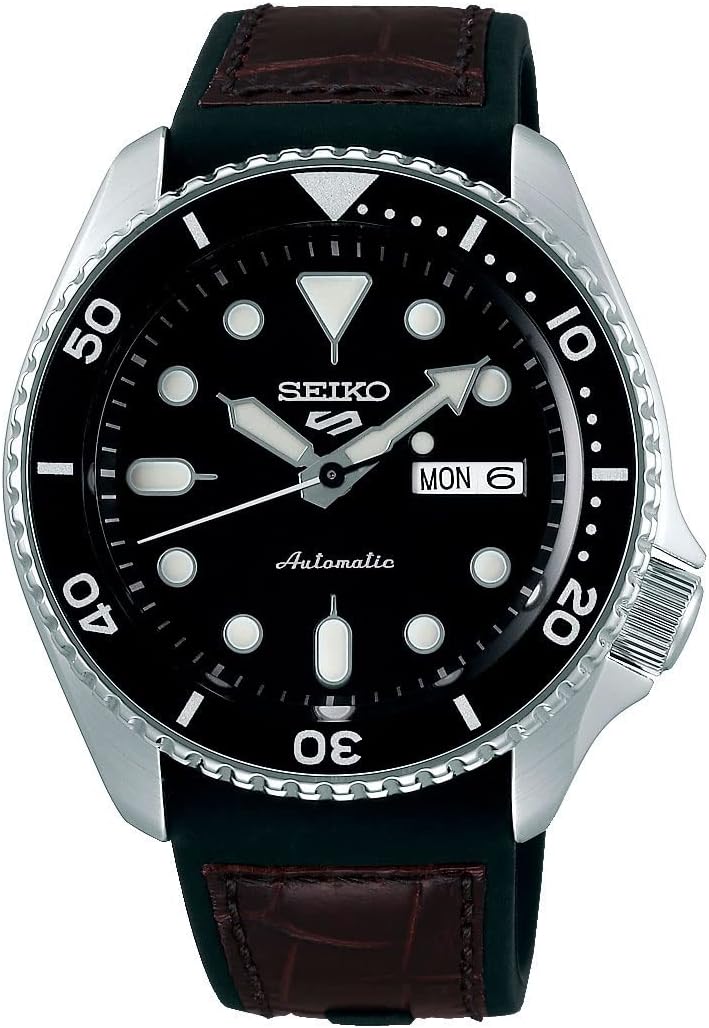
Seiko 5 Sports SRPD83K1 Automatic Watch — Black Dial, Nylon Strap, 100m WR, Day/Date
$89.95
Price on Amazon.com at time of retrieval; taxes and shipping may apply
Dive & Sports Watches
Compare our top dive and sports watch picks with buying guidance.
View Dive & Sports Watches